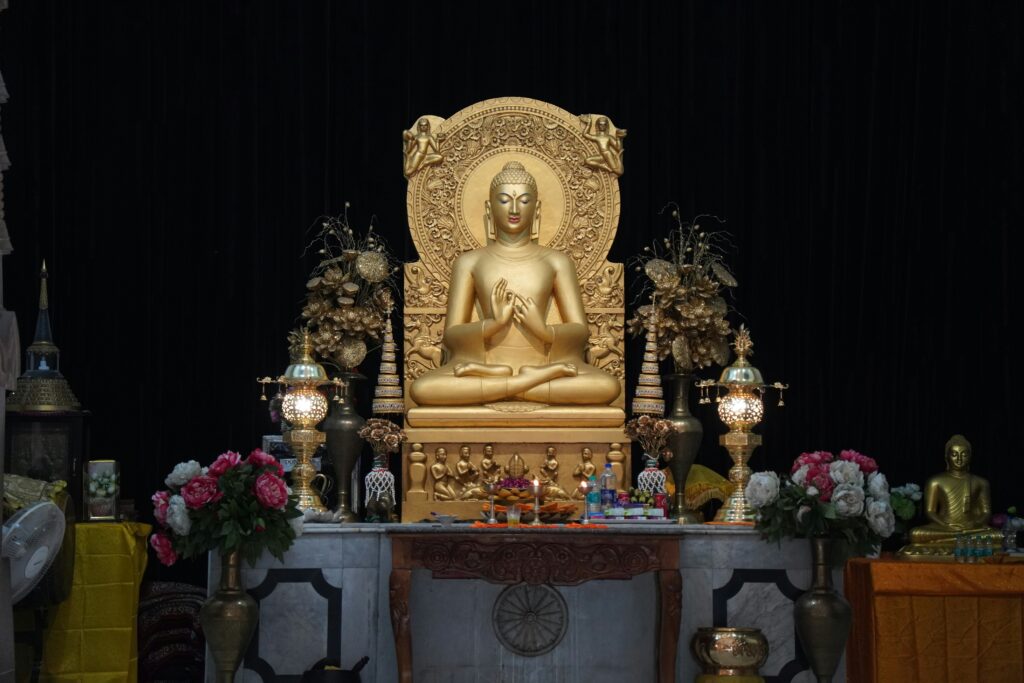


Embracing Life’s Flow: The Profound Message of Siddhartha
-
- April 30, 2020


Hermann Hesse’s “Siddhartha”
“Siddhartha” is a profound philosophical novel that explores the spiritual journey of self-discovery and enlightenment. Set in ancient India, the book follows Siddhartha, a young Brahmin who leaves his comfortable life in search of ultimate understanding of existence.
The novel chronicles Siddhartha’s transformative path through multiple life experiences. He initially rejects traditional religious teachings, seeking personal wisdom through various approaches: asceticism, worldly pleasures, and ultimately, a deep understanding of life’s interconnectedness.
Hesse’s masterpiece illustrates that true wisdom cannot be taught but must be personally experienced. Siddhartha learns that spiritual enlightenment isn’t found through external philosophies but through introspection, acceptance, and living fully in each moment.
Key themes include:
Constant transformation of self
The futility of intellectualizing spiritual growth
Importance of personal experience over prescribed beliefs
Interconnectedness of human experiences
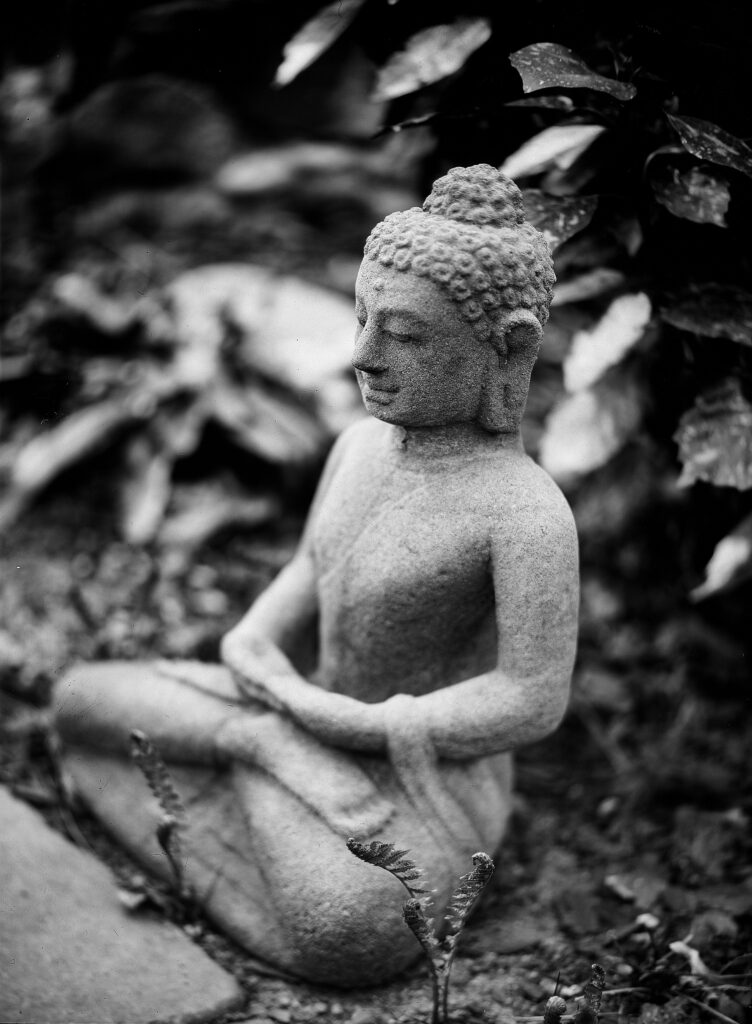
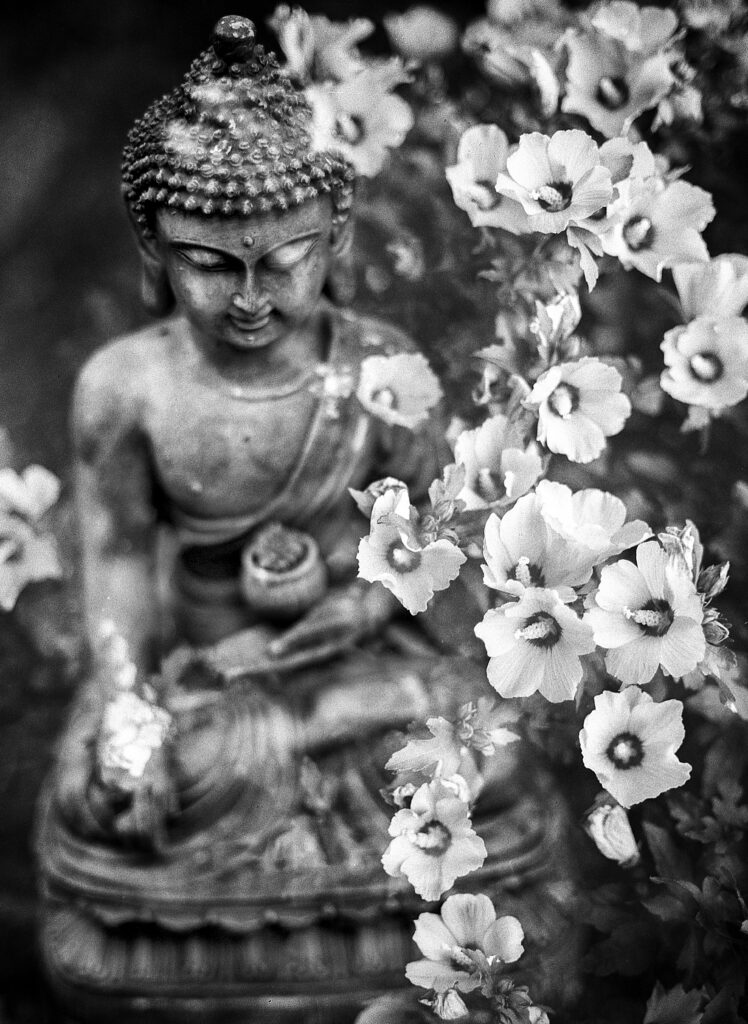
Through Siddhartha’s journey, Hesse suggests that life’s meaning emerges from embracing all experiences—suffering and joy alike—without judgment. The protagonist ultimately discovers peace by accepting life’s river-like nature: constantly flowing, changing, yet fundamentally unified.
This timeless novel remains a powerful meditation on personal growth, spiritual awakening, and the universal human quest for meaning.
"Your Soul Is The Whole World" - Herman Hesse