Rome’s Hidden Pharmacy of the Popes
-
- February 18, 2026


Barefoot Friars’ Herbal Secrets That Conquered the Vatican – And Still Whisper Today
The Antica Spezieria di Santa Maria della Scala stands as one of Rome’s most enchanting hidden treasures—a living testament to the power of nature’s pharmacy. Tucked away in the bohemian heart of Trastevere, this ancient spezieria (an old-world term for apothecary or herbalist’s shop) whispers stories of healing that blend monastic humility, botanical wisdom, and papal prestige.
Founded in the late 1500s by the Discalced Carmelites—the “barefoot” friars known for their austere devotion—the pharmacy began modestly within the convent walls next to the Church of Santa Maria della Scala. The friars cultivated medicinal herbs in their convent garden: lavender for calm, rosemary for vitality, mallow for soothing, hypericum for wounds. They hand-crushed petals and roots, distilled essences, and compounded remedies in small batches, initially just for their own community and the sick in their care. This was pure, plant-based medicine rooted in centuries-old traditions—empirical, gentle, and deeply connected to the earth.
Then the popes found out.
Word of the friars’ exceptional concoctions crossed the Tiber to the Vatican. Proximity to St. Peter’s made it easy for cardinals, nobles, and eventually the pontiffs themselves to seek these natural elixirs. By the late 1600s or early 1700s, the spezieria opened to the public, earning the illustrious nickname La Farmacia dei Papi—the Pharmacy of the Popes. Princes, dukes, and sovereigns joined ordinary Romans (often served at modest prices), drawn by the reputation for purity and efficacy.
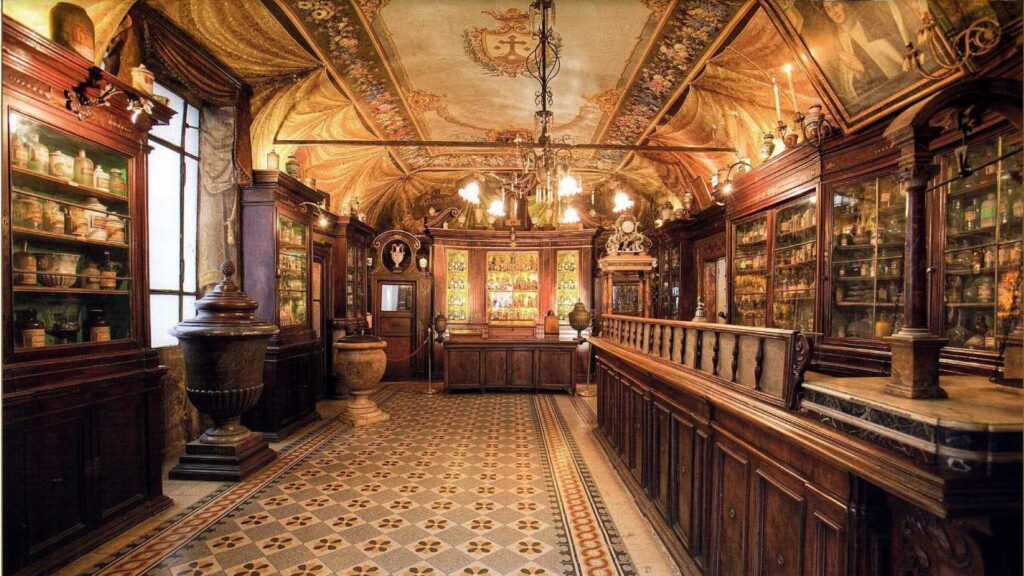
Under the guidance of the remarkable Fra Basilio della Concezione (active 1727–1804), the pharmacy evolved into a true center of learning. It became a pharmaceutical school where apprentices studied plant properties, compiled herbariums, and refined formulations that married science with tradition. The friars experimented with global ingredients—spices, exotic resins—alongside local flora, creating potent remedies preserved in beautifully hand-painted majolica jars that line the shelves to this day.
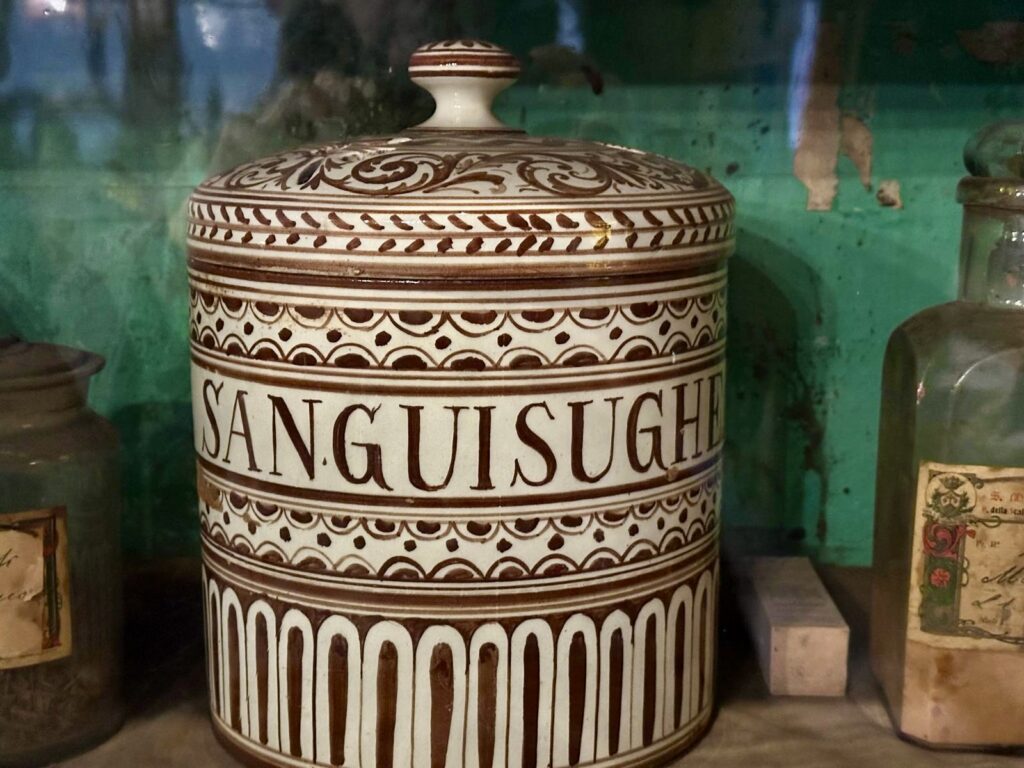
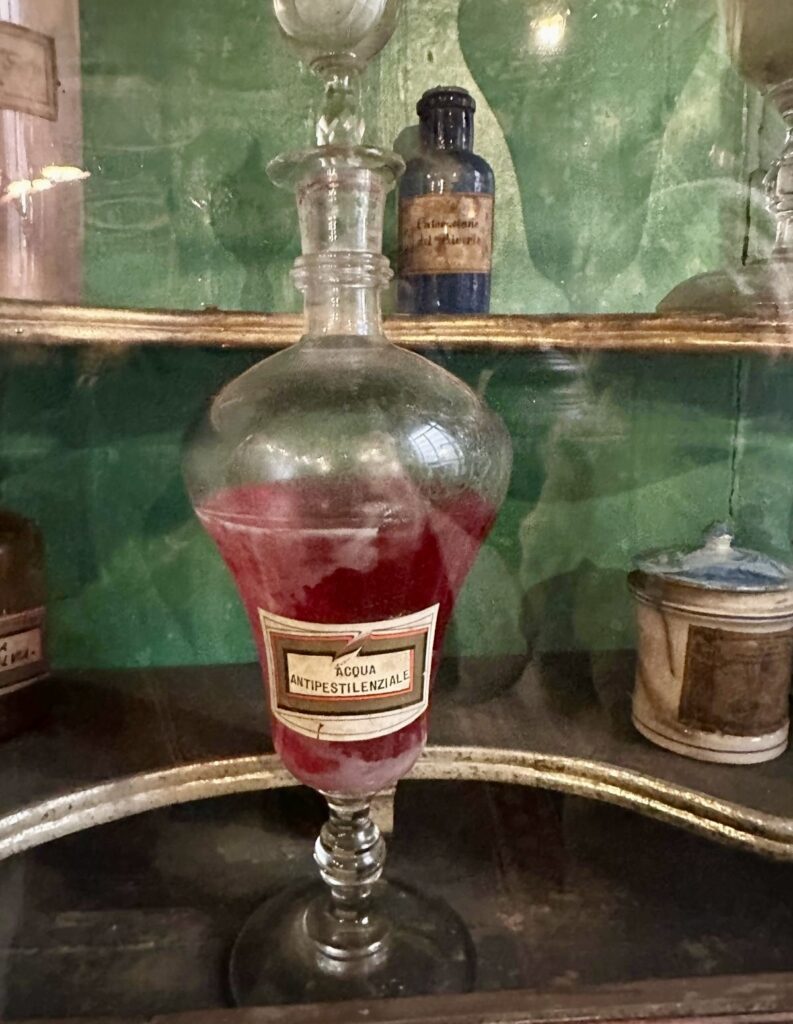
Among the standout natural medicines:
- Theriaca, the legendary “universal antidote” dating back to ancient Rome (refined here with up to 57 ingredients, including viper flesh), used against poisons, plagues, and myriad ills.
- Acqua anti-pestilenziale (anti-plague water), a secret 18th-century formula designed to protect against contagious diseases.
- Acqua della Scala or Melissa water, distilled from lemon balm to soothe nervous disorders and hysteria.
- Ointments blending resins like Venetian turpentine with South American exudates for inflammation and healing.
These weren’t mere folk remedies; scientific analyses of surviving preparations reveal sophisticated blends of essential oils, balsams, and anti-inflammatory compounds—effective enough to earn trust from the highest echelons of power.
The spezieria operated for nearly 400 years until closing in 1954, leaving its 18th-century interior miraculously intact: ornate wooden cabinets, glass vials glowing with ancient elixirs, mortars, scales, and frescoed ceilings evoking a time capsule of herbal alchemy.
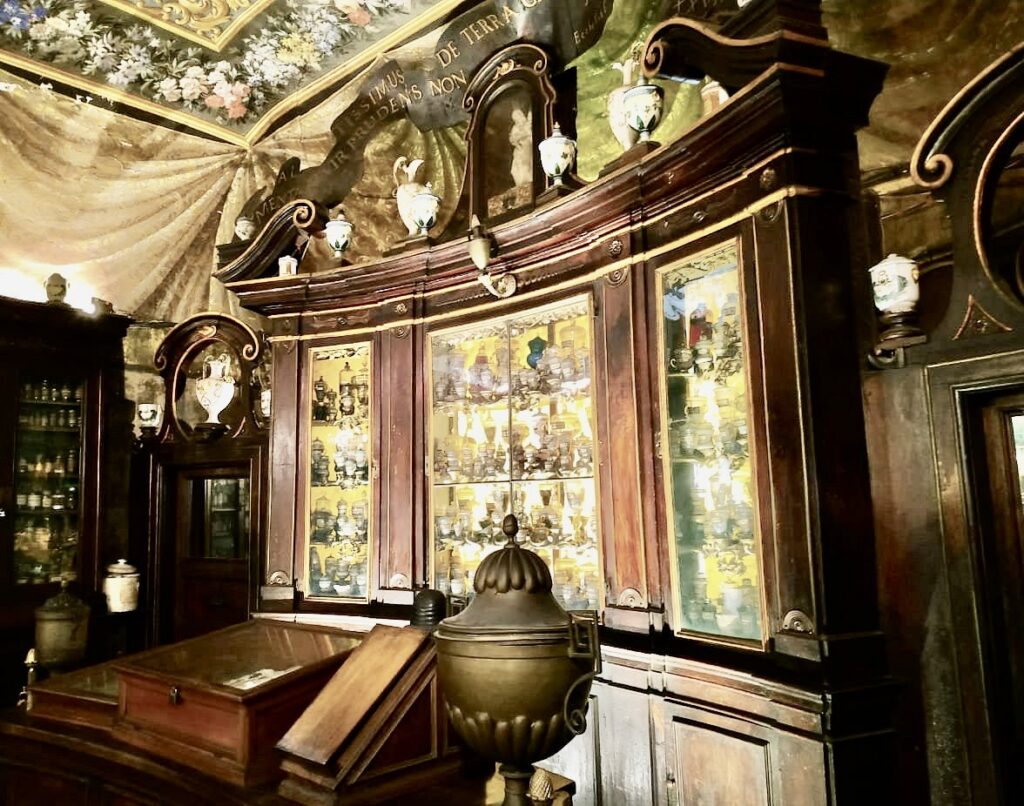
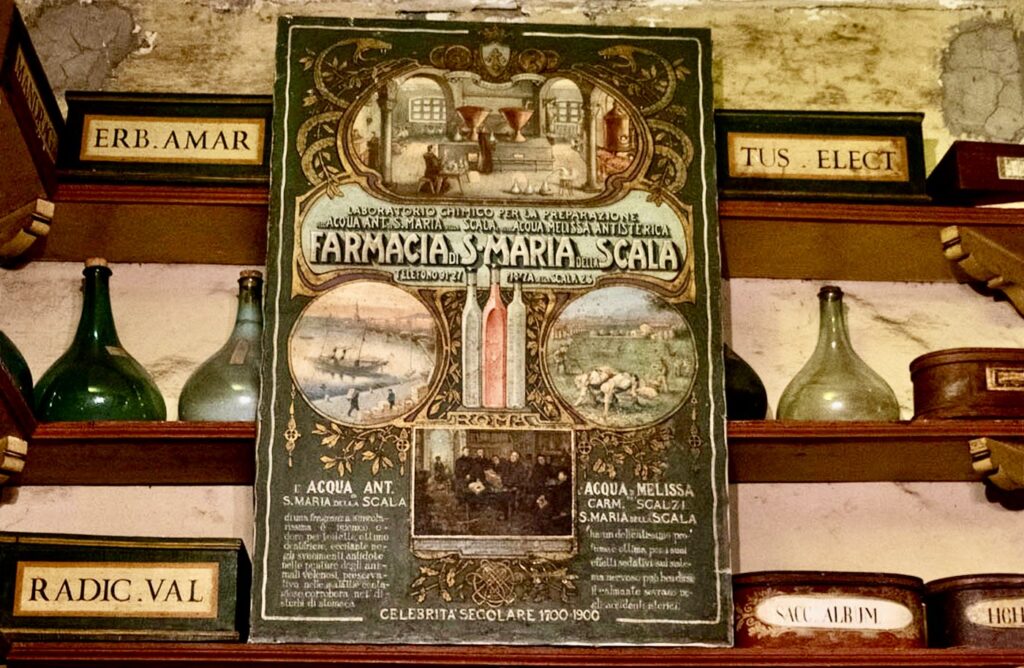
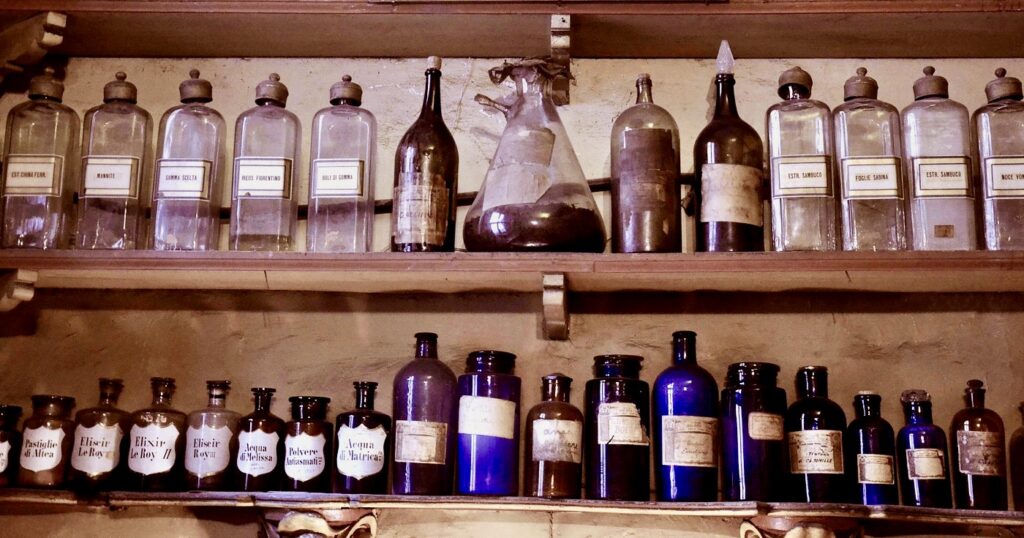
Today, visits are possible via guided tours or special openings (often arranged through the convent or local associations—check current details as access can vary). Step inside, and you’re transported: the faint scent of dried herbs, the gleam of majolica, the quiet hum of history. In an era rediscovering natural wellness, the Antica Spezieria reminds us that true healing often grows from the garden—patiently cultivated, lovingly compounded, and timeless in its wisdom.
A hidden gem for those who seek the roots of remedy in Rome’s eternal layers. If you’re in Trastevere, pause amid the bustle; the barefoot friars’ legacy still heals the curious soul.
