



Savoring Lebanon: A Culinary Journey Through Flavors and Tradition
-
- August 10, 2024


Lebanese cuisine is a celebration of flavor, tradition, and hospitality
Lebanese cuisine is a vibrant tapestry of flavors that reflects the country’s rich cultural heritage and diverse influences. At the heart of Lebanese cooking are fresh ingredients, aromatic spices, and a passion for sharing meals that bring people together.
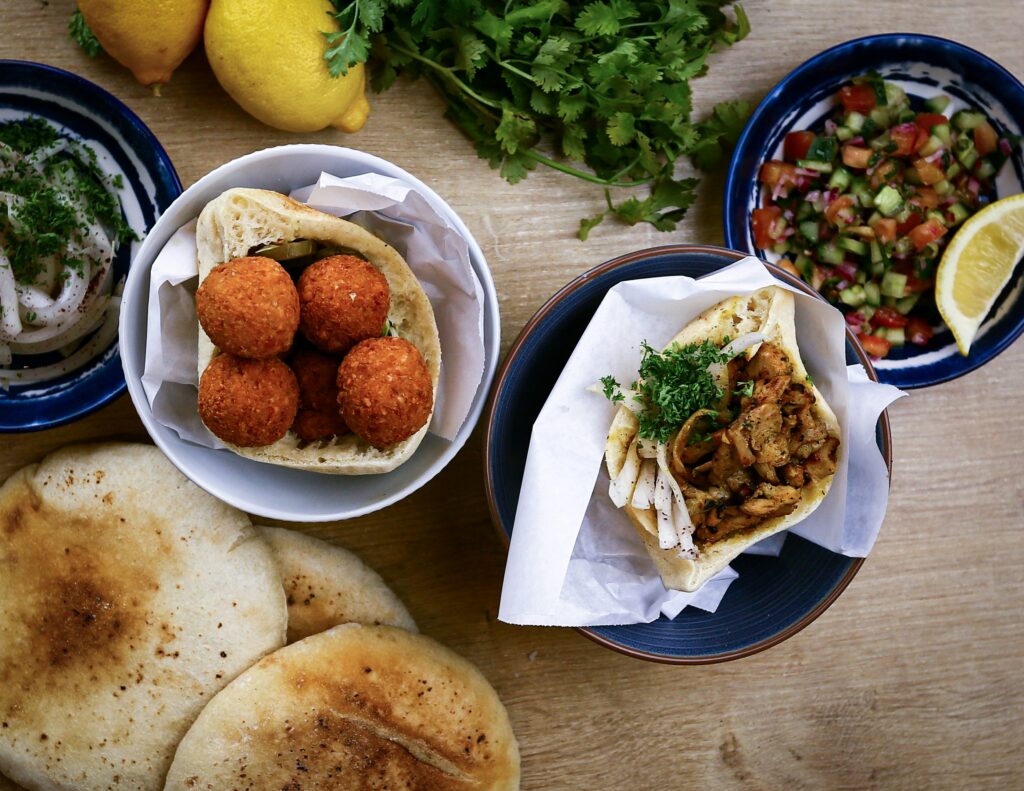
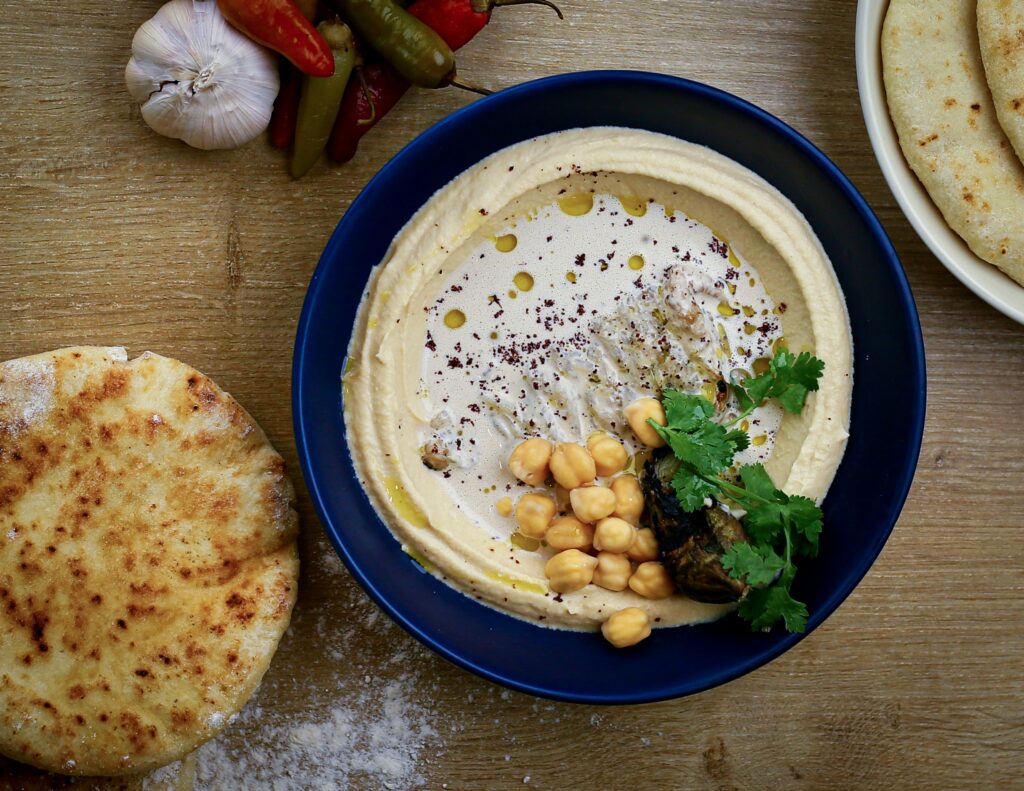
Must-try dishes begin with mezze, a spread of small plates that showcases the cuisine’s diversity. Hummus, a creamy blend of chickpeas, tahini, and olive oil, is perhaps the most famous Lebanese export. Tabbouleh, a refreshing salad of finely chopped parsley, tomatoes, mint, and bulgur wheat, offers a burst of freshness and color.
Signature spices elevate Lebanese cuisine to new heights. Za’atar, a blend of dried herbs, sesame seeds, and sumac, is sprinkled on everything from flatbreads to vegetables. Baharat, a complex spice mix of black pepper, paprika, cumin, and other warming spices, adds depth to meat dishes like shawarma and kibbeh.
No culinary exploration is complete without trying manakish, a flatbread topped with za’atar or cheese, and the iconic stuffed grape leaves (warak enab). For meat lovers, chicken and lamb kebabs grilled to perfection are an absolute must.
From street food to elaborate family meals, Lebanese cuisine is a celebration of flavor, tradition, and hospitality that invites you to taste a culture rich in culinary wisdom.
The World of Lebanese Mezze: A Culinary Mosaic
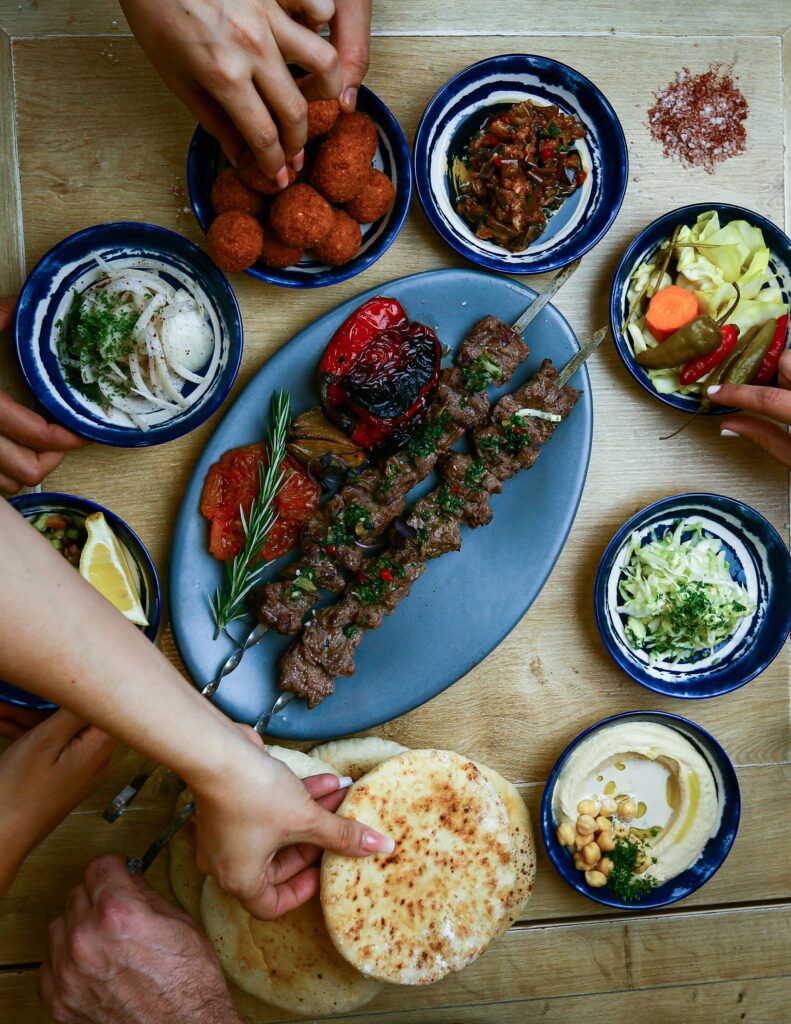
Mezze represents the soul of Lebanese dining – a social dining experience where multiple small dishes are shared, creating a feast for both eyes and palate. Classic mezze includes hummus, a creamy chickpea dip; baba ganoush, a smoky eggplant spread; and fattoush, a zesty bread salad with sumac and crispy pita chips. Cold mezze like labneh (strained yogurt) and tabbouleh sit alongside hot mezze such as sambousek (meat-filled pastries) and falafel. Stuffed grape leaves (warak enab), kibbeh (spiced meat and bulgur balls), and makanek (small spiced sausages) add variety. Each dish is typically served with fresh pita bread, encouraging communal eating and conversation.
Sweet Delights of Lebanon: Dessert Traditions
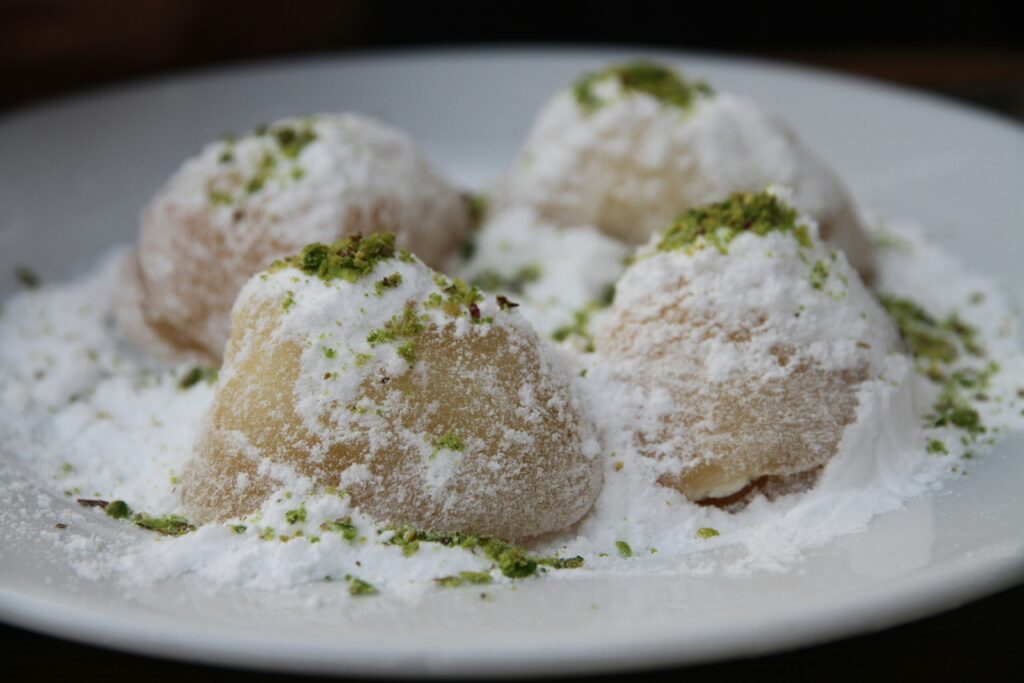
Lebanese desserts are a heavenly blend of nuts, honey, and delicate pastry that tantalize the taste buds. Baklava reigns supreme – layers of phyllo pastry filled with pistachios or walnuts, drenched in sweet syrup. Knafeh is another iconic treat, featuring shredded phyllo dough layered over sweet cheese, topped with syrup and crushed pistachios. Maamoul are delicate shortbread cookies stuffed with dates, pistachios, or walnuts, traditionally prepared for religious celebrations. Halawet el jibn offers a unique experience – sweet cheese rolls filled with clotted cream and drizzled with rose or orange blossom syrup. These desserts reflect Lebanon’s rich culinary heritage, combining intricate preparation with centuries-old recipes that celebrate sweetness and hospitality.
Lebanese food is a culinary treasure that blends ancient traditions with vibrant flavors. More than just meals, these dishes represent hospitality, community, and cultural pride. From aromatic spices to delicate pastries, Lebanese cuisine tells a rich story of connection, passion, and the art of sharing.
