



Textiles as a Language
-
- June 16, 2020


How Fabric Tells Stories in African, Asian, and Latin American Cultures
Textiles have long been more than just functional items—they are vessels of culture, history, and identity. Across the globe, fabrics tell powerful stories, often serving as a form of non-verbal communication that speaks to the wearer’s social status, ethnicity, and life events. From the intricate patterns of African kente cloth to the vibrant hues of Mexican rebozos, textiles transcend language, sharing cultural narratives in ways words often cannot. Let’s explore how fabric serves as a living language in African, Asian, and Latin American cultures, connecting people to their heritage and traditions.
African Textiles: A Rich Tapestry of Meaning
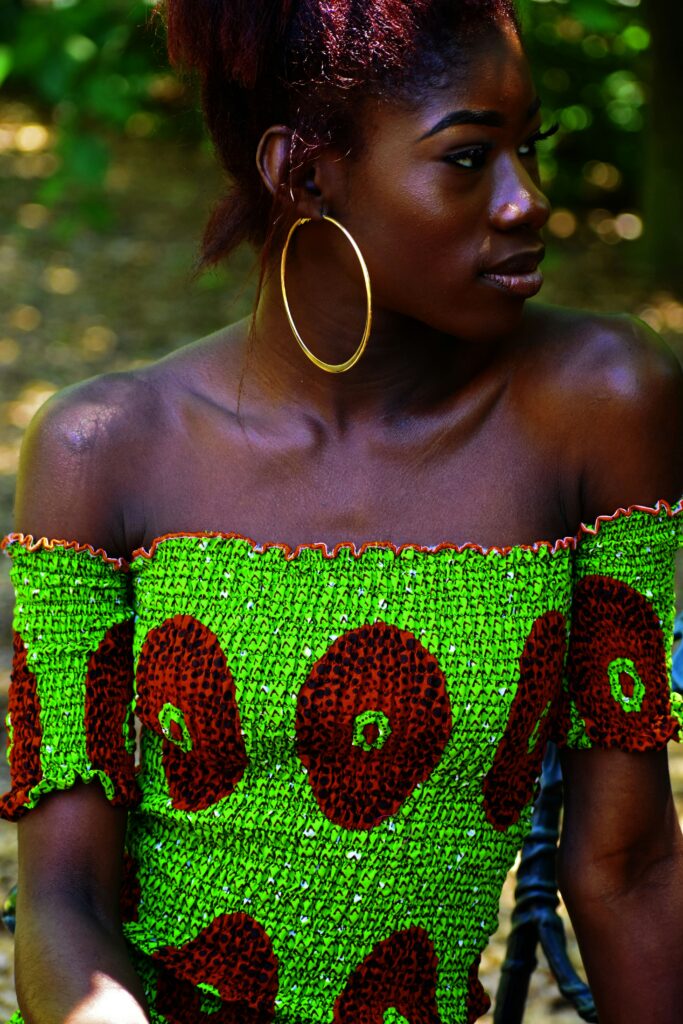
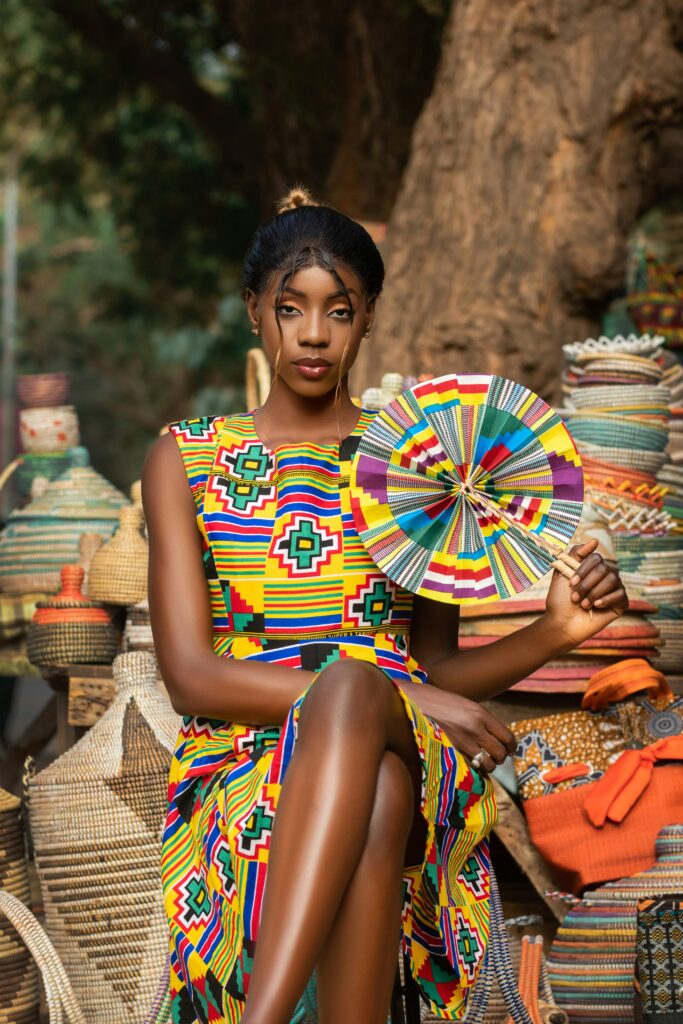
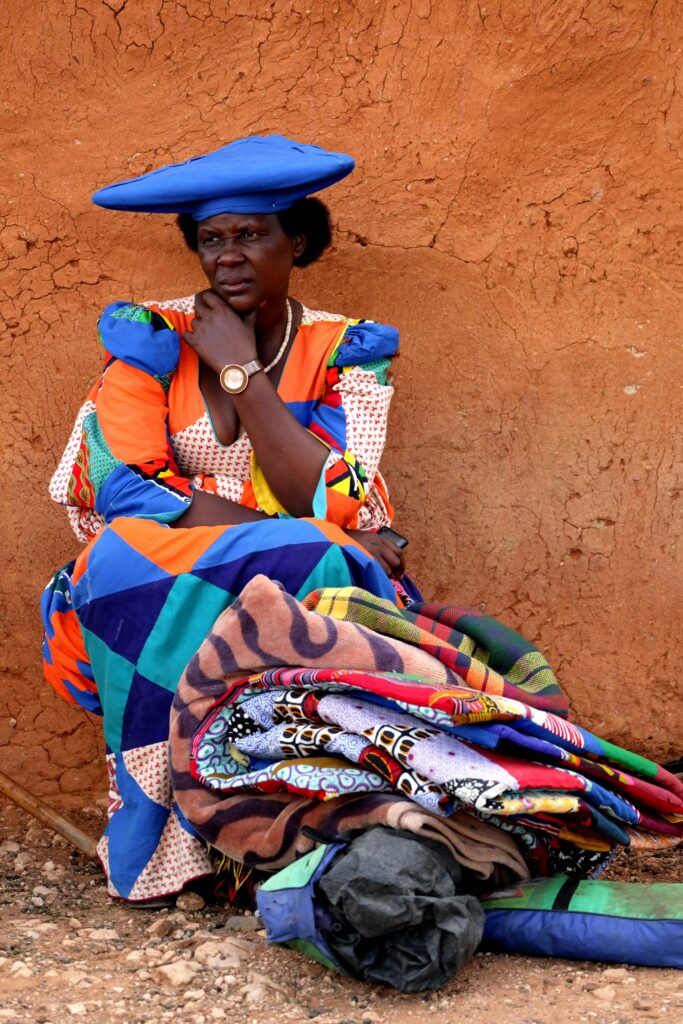
In many African cultures, textiles are central to identity and expression, often telling stories of lineage, accomplishments, and beliefs. One of the most famous examples of this is kente cloth, originating from the Akan people of Ghana. Woven from silk or cotton, the kente’s intricate patterns and bold colors are far from ornamental; each design has a specific meaning and conveys a message about the wearer. The symbolism of the patterns often represents proverbs, historical events, or attributes like wisdom, power, or beauty. For instance, the “Nkyinkyim” pattern symbolizes initiative and adaptability, while the “Fathia Fata Nkrumah” design represents the union of African nations.
Kente cloth isn’t just worn casually—it’s reserved for significant events like weddings, religious ceremonies, and state occasions. It signifies respect, honor, and sometimes authority, and is used to communicate the wearer’s role within the community. Beyond kente, other African textiles such as adire from Nigeria and wax prints from West Africa also carry deep meanings. These fabrics often tell stories of family history, social standing, or political affiliations, making them an essential part of the cultural fabric (pun intended) of the continent.
Asian Textiles: Embodying Spirituality and Status


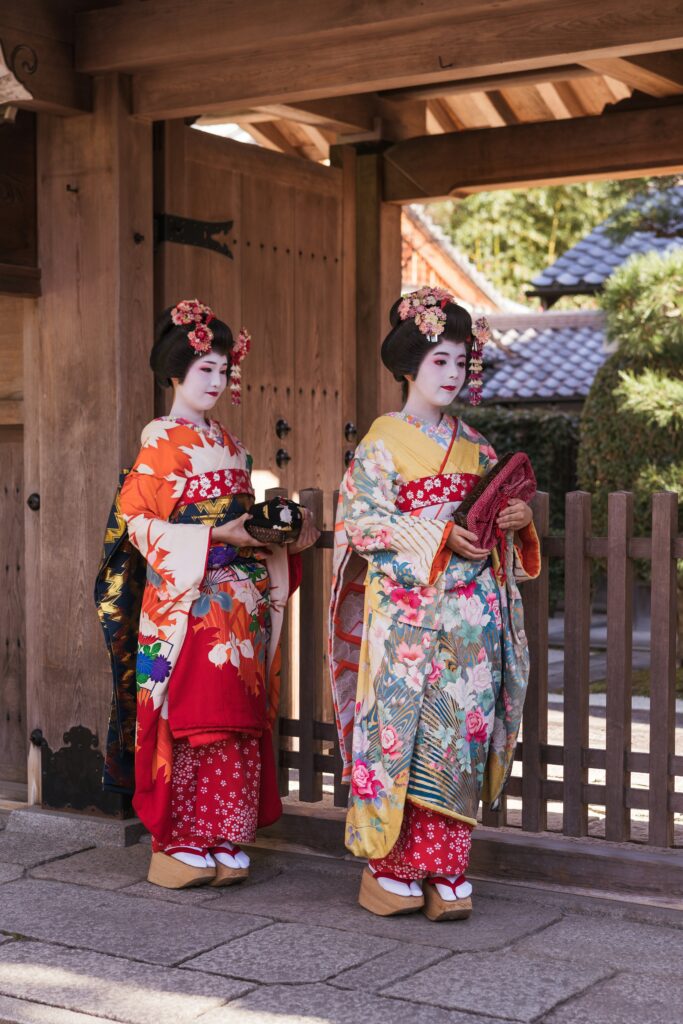
In Asia, textiles have long served as markers of identity, especially in the context of social class and religion. Silk, for example, has been prized for centuries in countries like China, India, and Japan, symbolizing wealth and luxury. The kimono in Japan is a perfect example of how fabric communicates status, family, and tradition. Different colors and patterns of the kimono are chosen depending on the occasion and the wearer’s position in society. For instance, a furisode, a kimono with long sleeves, is typically worn by unmarried women, while a tomesode, with shorter sleeves, is reserved for married women.
In India, textiles such as the sari serve as cultural symbols, with each region offering its distinct weaving techniques, patterns, and draping styles. The color and design of a sari often indicate the wearer’s marital status or region of origin, with certain colors reserved for festive occasions like weddings or religious celebrations. Additionally, intricate designs, such as those found in ikat and banarasi textiles, often carry symbolism related to mythology and spirituality, reinforcing the connection between fabric and sacred life events.
Latin American Textiles: Weaving Heritage and Identity
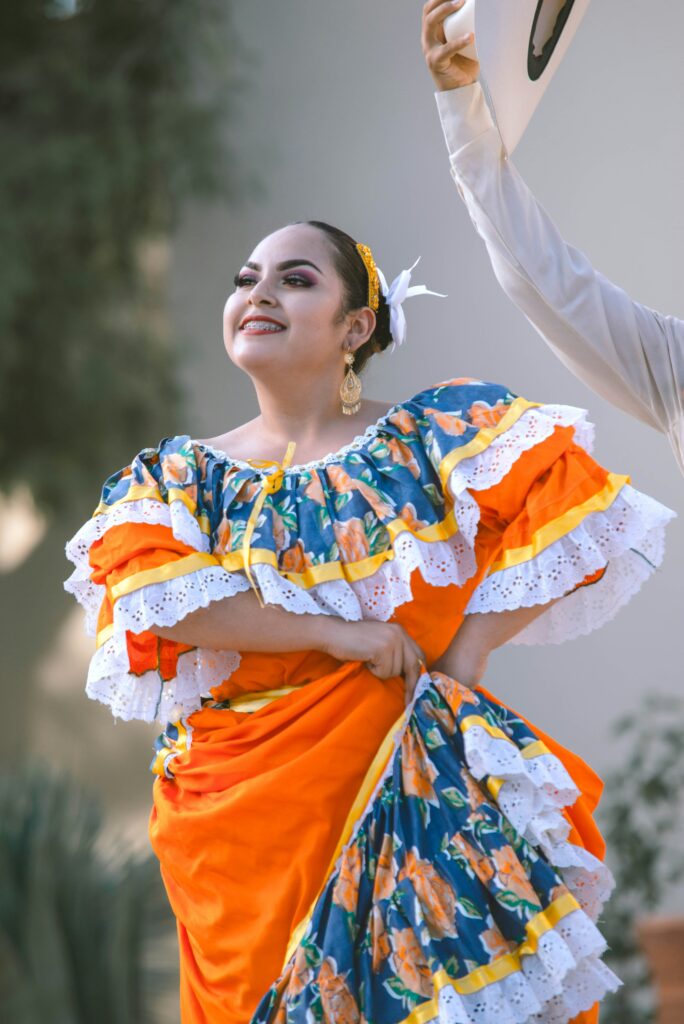
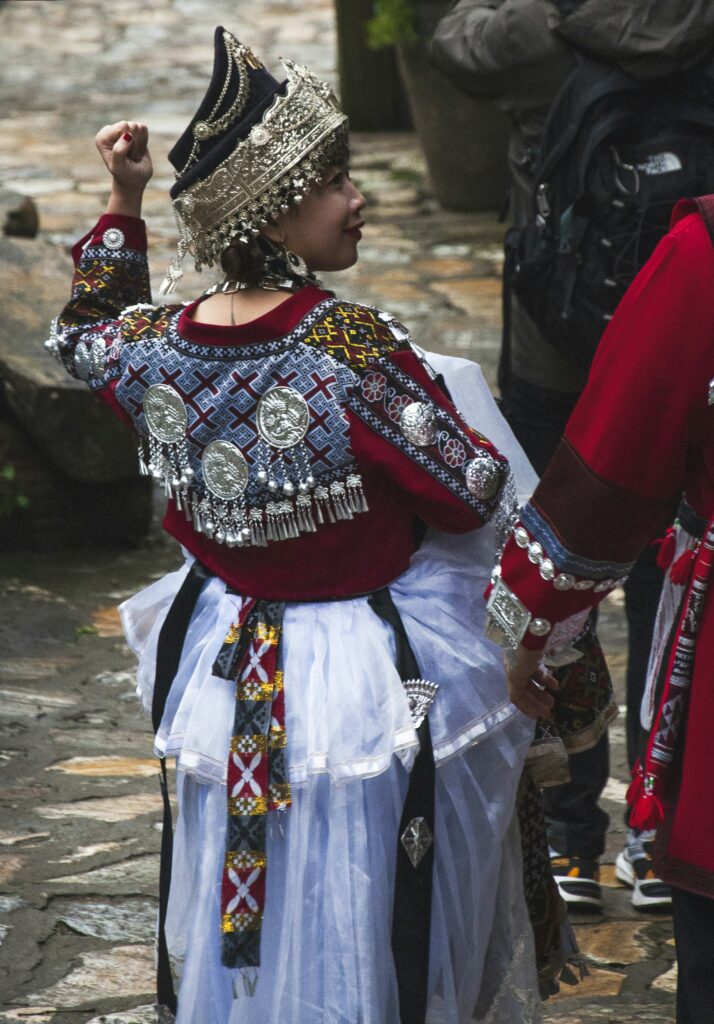
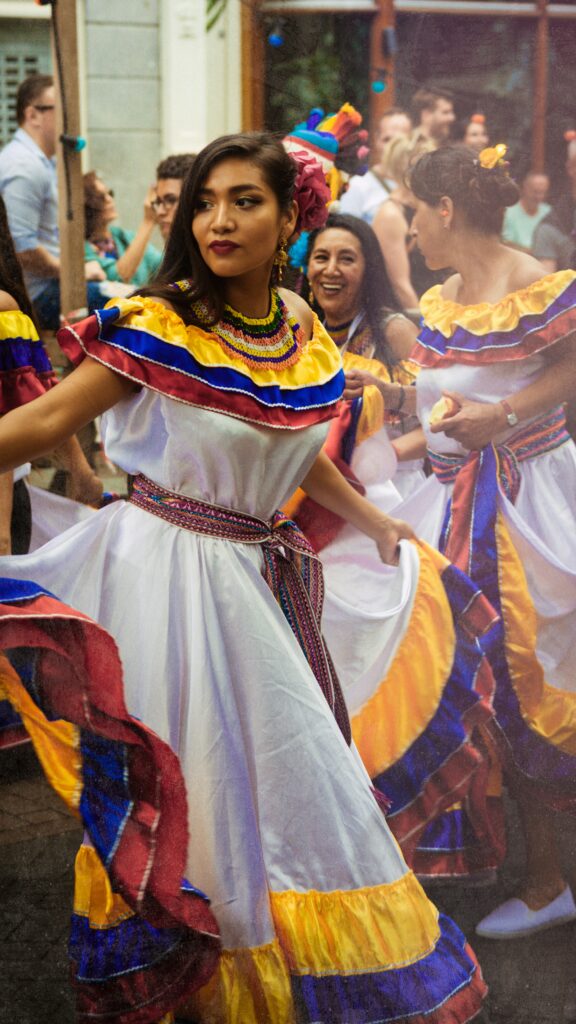
In Latin America, textiles are an integral part of indigenous and mestizo cultures, carrying stories of survival, resistance, and cultural pride. Rebozos, traditional Mexican shawls, are more than just garments; they embody the strength and resilience of Mexican women. The intricate handwoven fabrics often reflect local traditions, with each region having its distinct weaving style. For instance, rebozos made in the state of Oaxaca feature bright, vibrant colors and geometric patterns, while those from Michoacán might showcase floral motifs, each serving as a visual language that reflects the wearer’s heritage and identity.
Much like in Africa and Asia, textiles in Latin America also communicate social status and ethnicity. Indigenous groups in Guatemala, for instance, use huipiles, handwoven blouses, as an important cultural signifier. Each design, pattern, and color on a huipil indicates the wearer’s community, village, and even personal history. The manta from the Andes region in South America also has profound significance, with patterns denoting the wearer’s ethnic background and cultural lineage.
The Silent Language of Textiles
Across African, Asian, and Latin American cultures, textiles are not mere pieces of cloth but a complex, vibrant language in their own right. They speak of heritage, family, social status, and even spiritual beliefs. From the patterned fabrics of West Africa to the richly symbolic textiles of South Asia and Latin America, fabrics are woven with meaning that goes beyond their physical form. They tell the stories of generations past and continue to serve as a bridge between cultural history and contemporary identity. Through the language of textiles, individuals speak without uttering a word—transmitting messages of pride, belonging, and continuity.
